
In a world where the line between stardom and everyday life blurs with each scroll of our social media feeds, the phrase “famous for being famous” has become more than just a catchphrase—it’s a cultural phenomenon. From the glitzy red carpets of Hollywood to the instant gratification of viral TikTok trends, celebrity culture has undergone a seismic shift in the digital age. No longer confined to traditional gatekeepers like film studios and magazines, fame is now accessible to anyone with an internet connection and a touch of charisma. Join us as we explore how this evolution has transformed not only who gets celebrated but also what it means to be famous today. Buckle up for an engaging journey through the rise of influencers, reality stars, and everyone in between—because, in this new era, everyone has their moment in the spotlight.
Old-School Celebs vs. Modern-Day Stars
Back in the day, being famous usually meant you had a specific gig. You were a movie star, a singer, a pro athlete—someone with a clear talent or career that put you in the spotlight. Think Audrey Hepburn, Muhammad Ali, or The Beatles. Fame was mostly tied to performance, success, or craft. But in the modern era, especially since the early 2000s, we’ve seen a huge shift. Reality TV, tabloid culture, and now social media have changed the fame game. People like Paris Hilton or Kim Kardashian became household names not because of what they did—but because of how visible they were. And that visibility turned into influence, which turned into business empires.
The Rise of Reality TV and “Relatable” Fame
Reality shows like The Real World, Big Brother, and Keeping Up with the Kardashians opened a new door to fame—one that didn’t require acting chops or a recording contract. These shows offered drama, lifestyle envy, and a sense of “realness” that made people feel like they knew the cast personally. That’s part of the appeal. Fans connect with reality stars or influencers because they feel accessible—like a friend they could DM. This more casual, “everyday” version of fame has blurred the line between celebrity and regular person, making fame feel more attainable than ever.
We’re All Part of the System
Here’s the thing—celebrity culture doesn’t exist in a vacuum. We feel it. Every time we click, like, share, or gossip about someone, we’re feeding into their fame. And in a media landscape that’s built around attention, clicks equal currency. So, when we wonder why someone is famous, the answer is usually simple: because we keep paying attention.
Social Media Changed Everything
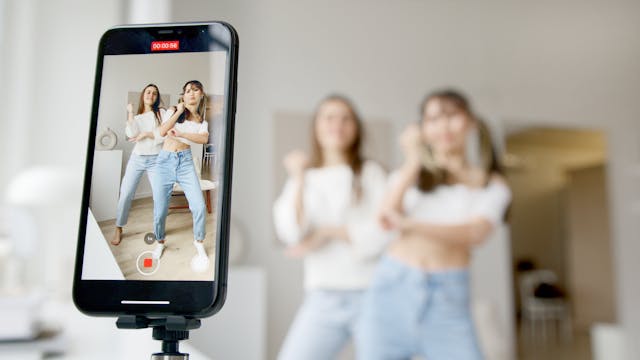
Social media didn’t just change how we see celebrities—it created an entirely new kind of fame. Now anyone with a phone and an internet connection can build an audience. You don’t need a studio backing you or a record deal. If you’re entertaining, interesting, or even just lucky enough to go viral, fame can find you. TikTok, Instagram, and YouTube have created stars in days. And while some fade just as fast, others build entire careers of a single viral moment. It’s fame on fast-forward, and it’s changing how we think about what makes someone a “celebrity.”
Fame Is More Fluid Than Ever
Today’s celebrities wear many hats. They might be content creators, entrepreneurs, brand ambassadors, activists—or all of the above. Fame isn’t one-size-fits-all anymore, and that’s kind of the point. There’s no single path to becoming known. It’s all about personality, presence, and knowing how to play the game. And while talent still matters, so does timing, relatability, and the ability to keep people watching. Celebrity culture has come a long way, and it’s still evolving fast. While the idea of being “famous for being famous” might sound shallow at first, it reflects bigger changes in how we connect, communicate, and consume media.…
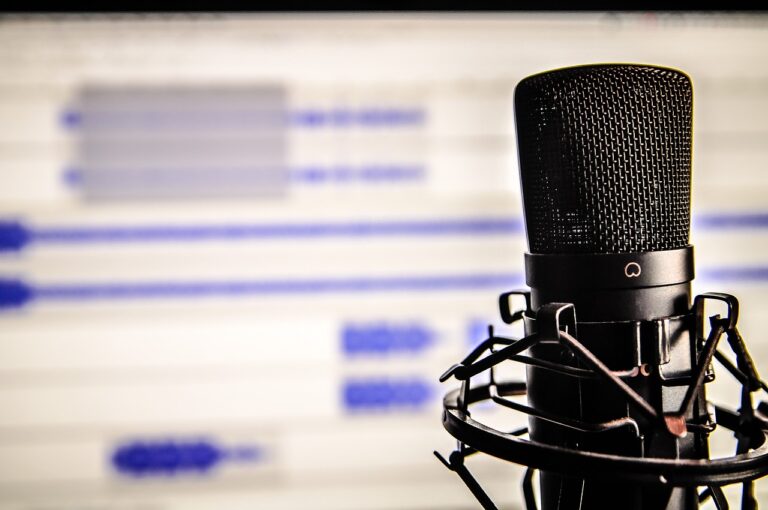
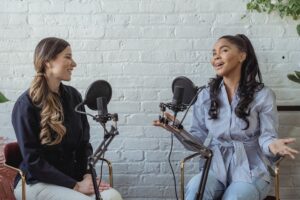
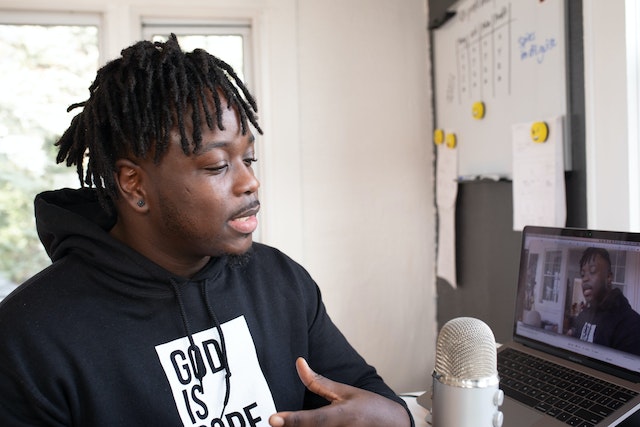
 The accessibility and affordability of podcasts have contributed to their widespread adoption. Most podcasts are available for free on various platforms, including dedicated podcast apps, streaming services, and websites. This accessibility allows anyone with a smartphone or computer to dive into the world of podcasts without any financial barriers. The low entry barrier has made podcasts a democratized medium, giving a platform to diverse voices and perspectives.